
Meet our Adaptive Electrification Platform
What is it?
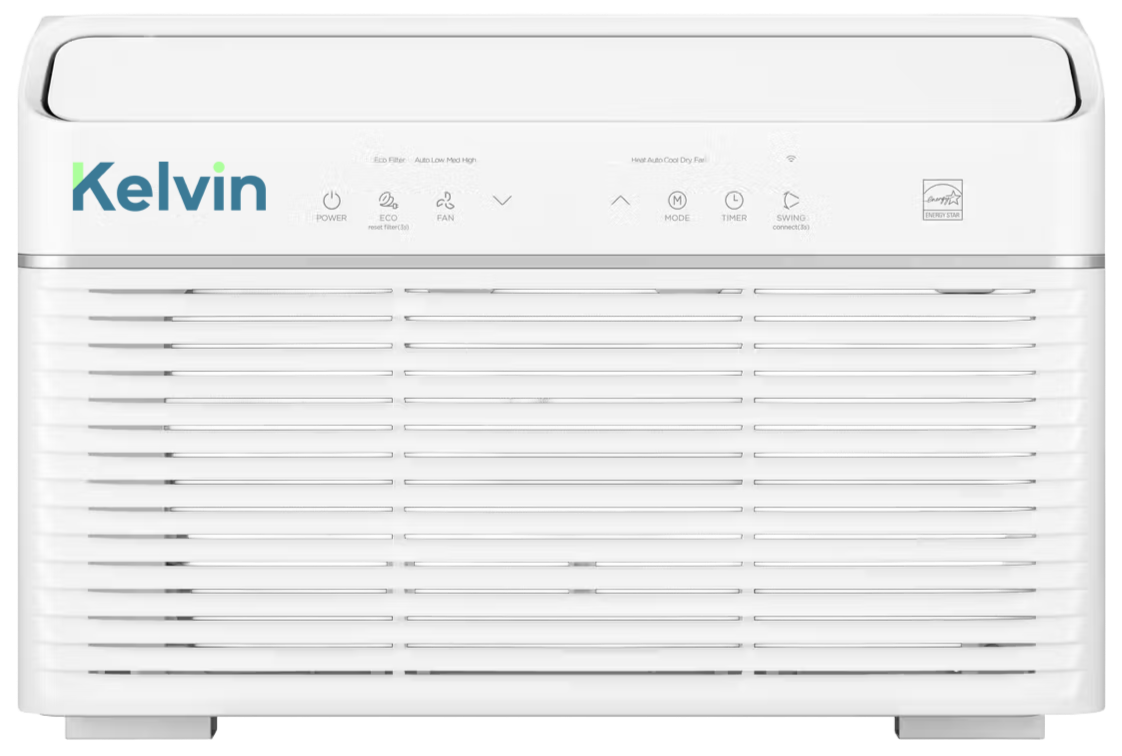
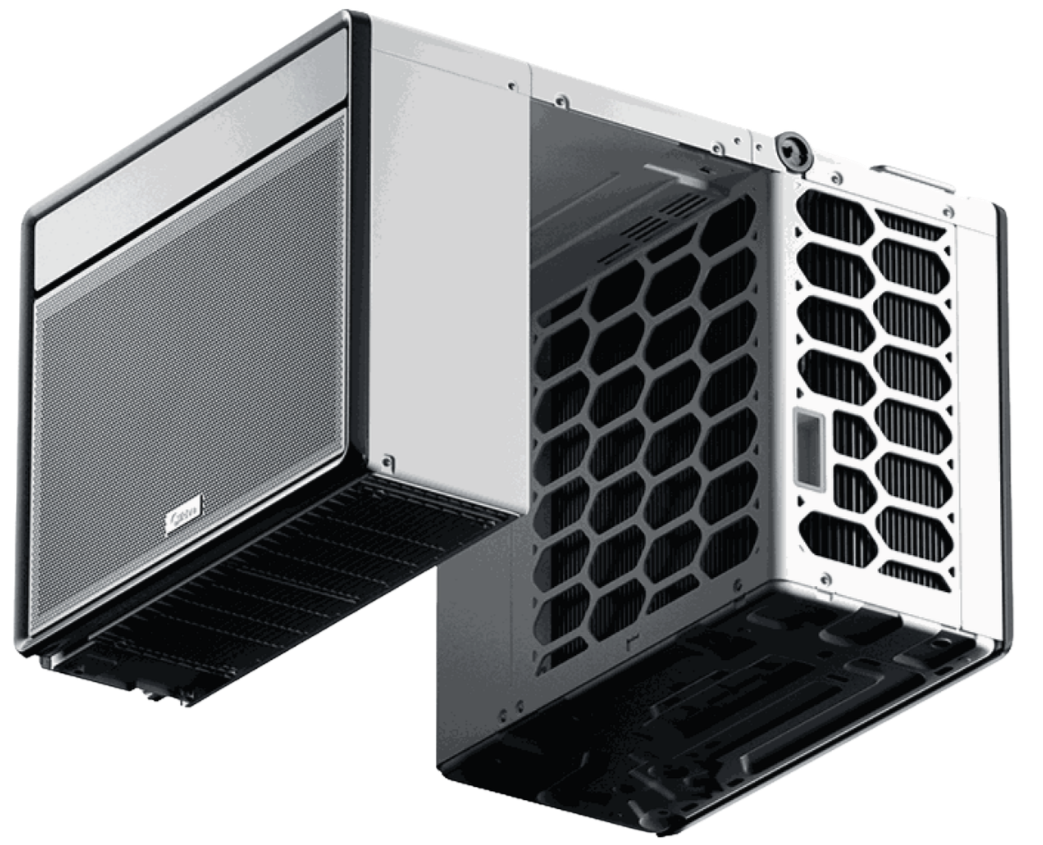
Adaptive Electrification is Kelvin’s building-wide heat pump fleet orchestration platform. Old window and through wall ACs are replaced with modern window and through wall heat pumps. The heat pumps that Kelvin use rely on standard power, so electrical upgrades and invasive construction are not necessary.
Kelvin’s Adaptive Electrification platform reduces heating fossil fuel use by 50%-80% and enables participation in grid services, like time-of-use pricing and demand response. The fleet of heat pumps gives buildings the option to fuel switch between electricity and the legacy heating system.
In the summer, Kelvin manages each heat pump’s cooling so that buildings can generate a new revenue stream through utility demand response. Adaptive Electrification provides a simple pathway for legacy buildings to comply with all municipal climate policies.
Benefits:
Reduces fossil fuel use by up to 50%-80%
Enables participation in grid services like time-of-use pricing and demand response
Installs without construction, rewiring, or resident disruption
Supported by utilities with available incentives

Compatible with:


Through-wall sleeve
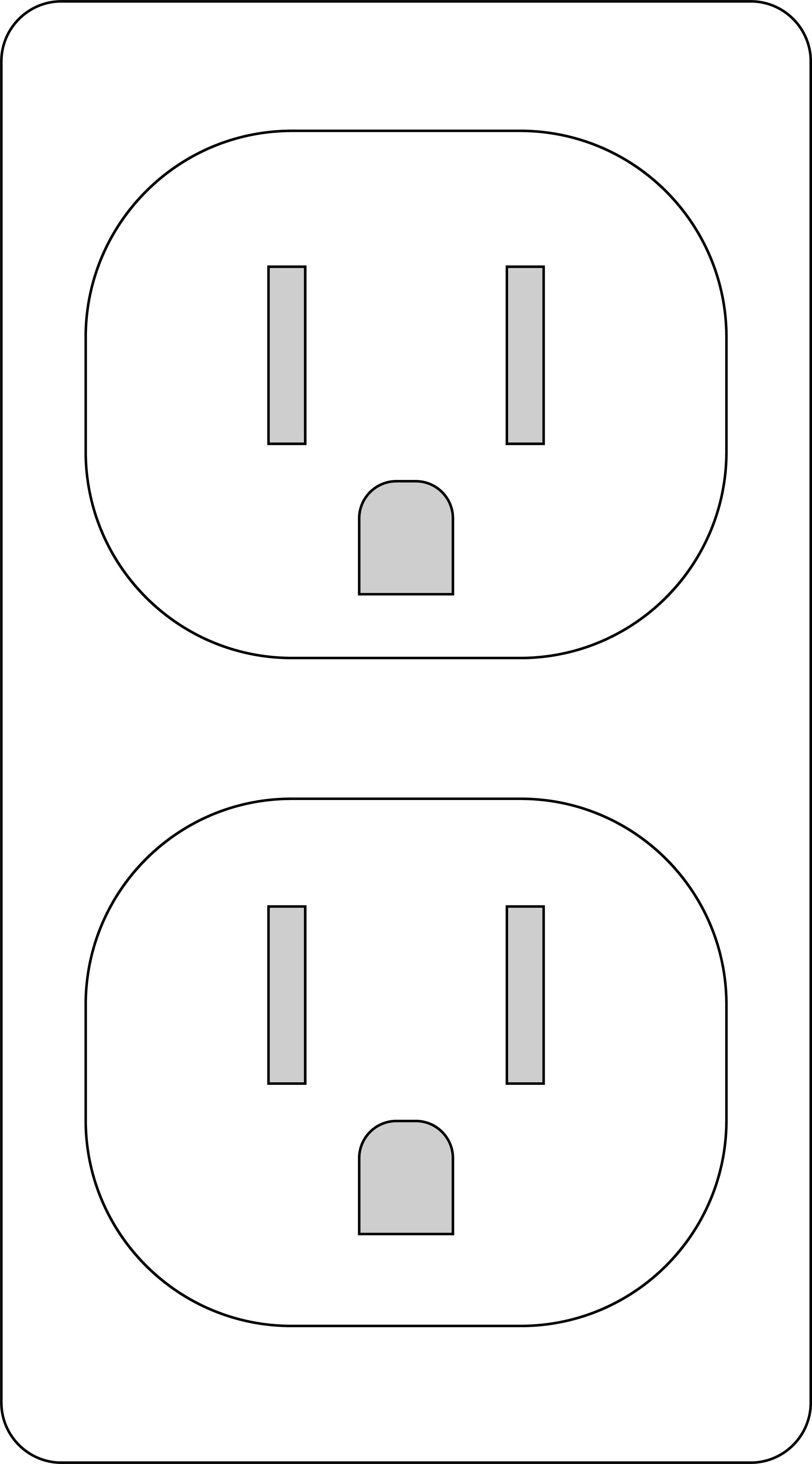
115 volt outlet
Double hung windows
Just two easy steps away
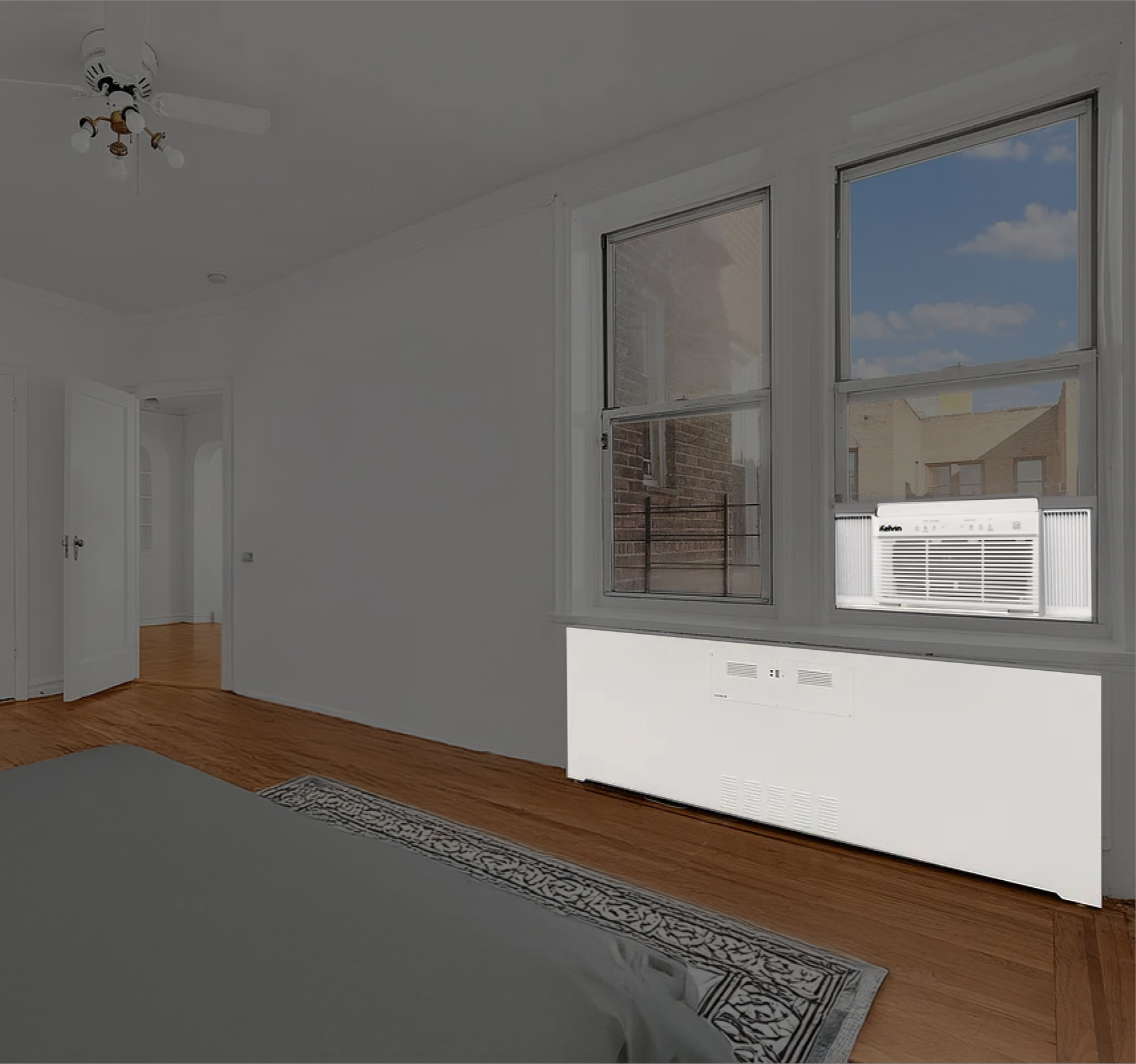
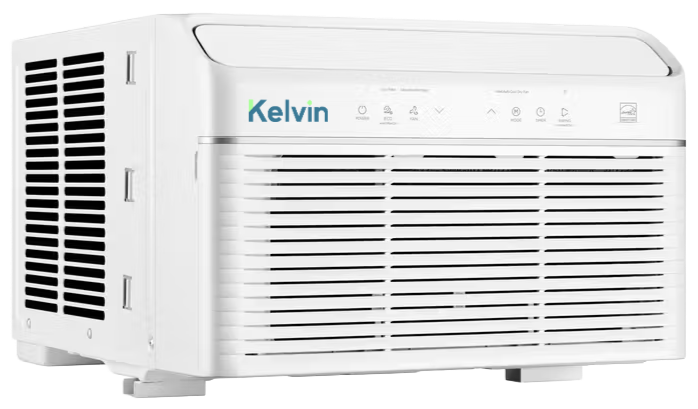
Step 1:
Install Kelvin’s Adaptive Electrification platform, subsidized by utility rebate programs and new revenue generated through demand response.
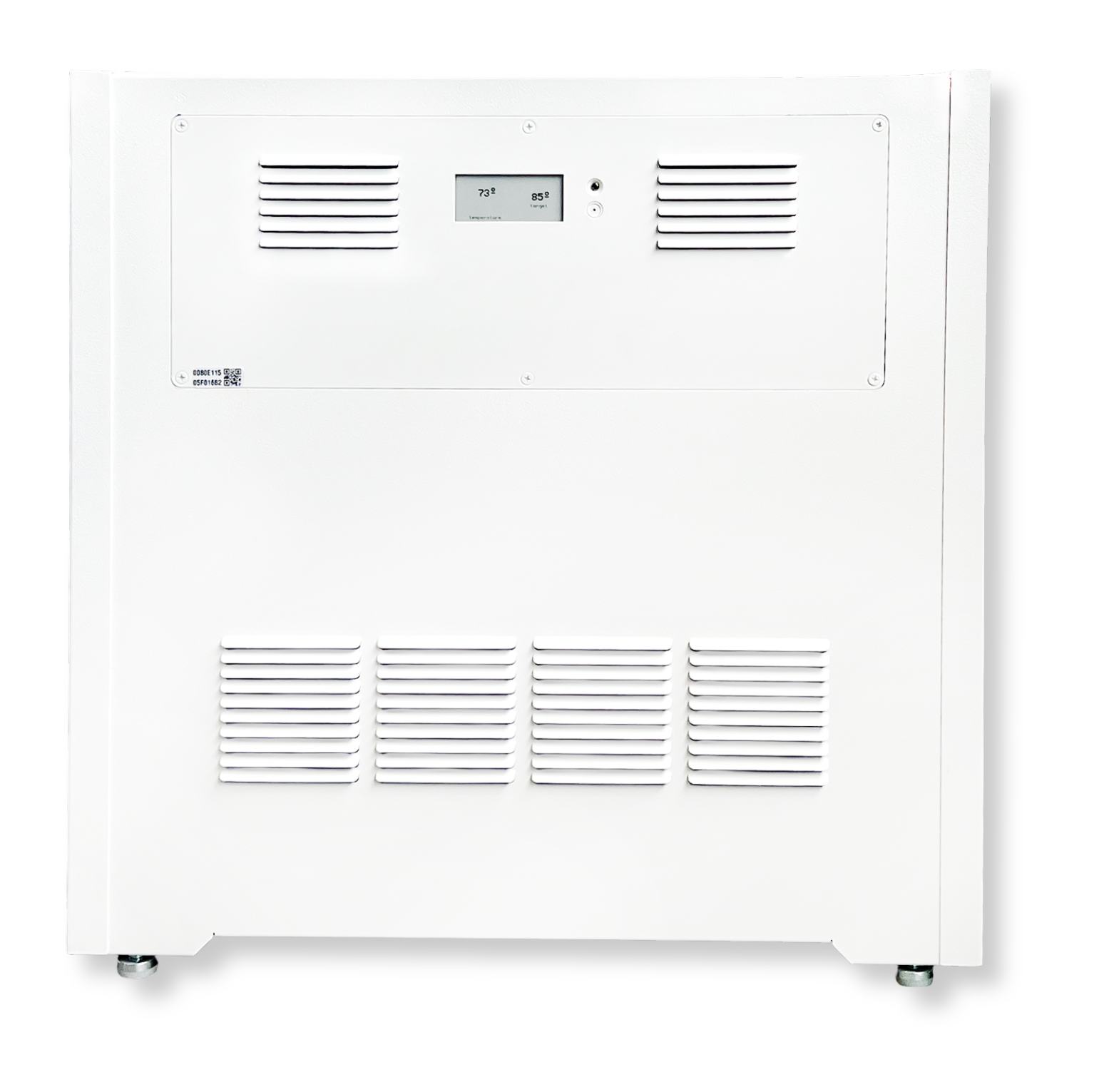
Step 2 (optional):
Install the Cozy. This allows for boiler optimization for the times when the weather does fall below 40 degrees Fahrenheit and the building has to rely on the existing boiler system for consistent heating.